Introduction
Choosing the right silicone sealant is one of the most important decisions in any tiling or wet-area project. The wrong product can lead to poor adhesion, staining of the surface, premature cracking, mould issues, and costly call-backs. The right product delivers a cleaner finish, stronger long-term performance.
Why silicone choice matters
Silicone is not a one-size-fits-all product. Different environments place different demands on a sealant. Bathrooms and showers need strong mould resistance and flexibility under constant humidity. Natural stone installations require formulations that avoid bleed and staining. Pools and exterior wet zones need high weather resistance, UV stability, and long-term elasticity in challenging conditions.
1) Wet area applications
For bathrooms, showers, laundries, and kitchen splash zones, select a wet area silicone designed for high moisture exposure. Prioritise mould-resistant performance, reliable adhesion to ceramic and porcelain surfaces, and a smooth tooling profile. Good wet area silicone should also maintain flexibility over time so movement at wall-floor junctions and change-of-plane joints is absorbed without splitting.
2) Natural stone applications
Natural stone can be sensitive to certain sealant chemistries, especially porous stone where edge darkening or bleeding may become visible. Always use a silicone specifically suited for stone surfaces, and test a small area when needed. A stone-appropriate sealant helps preserve visual integrity while still delivering the flexibility and bond strength needed for movement joints.
3) Pool and exterior applications
Pool surrounds, coping, and outdoor tiled zones are exposed to sunlight, water, temperature swings, and chemical treatments. Use silicone formulated for harsh exterior conditions. Look for UV resistance, weather durability, and dependable adhesion on common pool-area substrates. This helps prevent early failure where environmental stress is highest.
Best-practice installation checklist
Surface preparation is critical. Ensure joints are clean, dry, dust-free, and free from soap residue, oils, and loose material. Use backing rod where required and apply the correct joint depth. Tool promptly for a smooth finish, then allow full cure before exposing to water. Ventilation and cure time are key factors in long-term performance.
Retail and trade advice
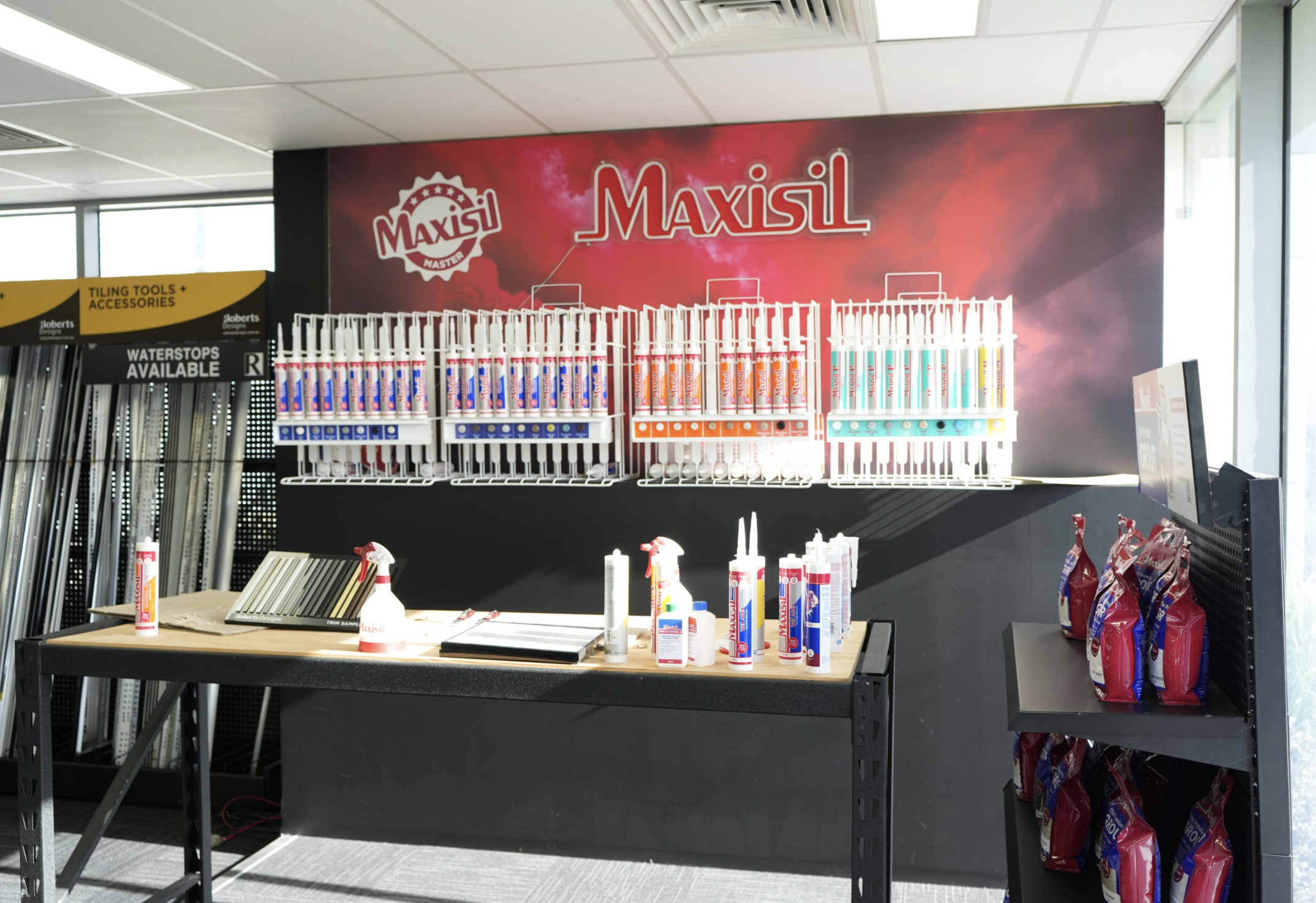
For retailers and trade counters, the quickest path to better outcomes is helping customers match product to application: wet area, stone, or pool. Clear category guidance reduces confusion and improves project success. For installers, choosing the right silicone at the start reduces remediation work and protects your reputation.
Conclusion
Silicone is a small line item in project cost, but a major factor in finish quality and durability. By selecting the right product for each environment and following correct prep and cure procedures, professionals can deliver better-looking projects that last longer.